
The Derbyshire Lab
Duke University
Departments of Chemistry,
Molecular Genetics and Microbiology,
and Cell Biology
Departments of Chemistry,
Molecular Genetics and Microbiology,
and Cell Biology
We are committed to fostering a culture of respect, professionalism, and opportunity. We value the experiences and perspectives that each individual brings, as they contribute to our shared success and innovation.


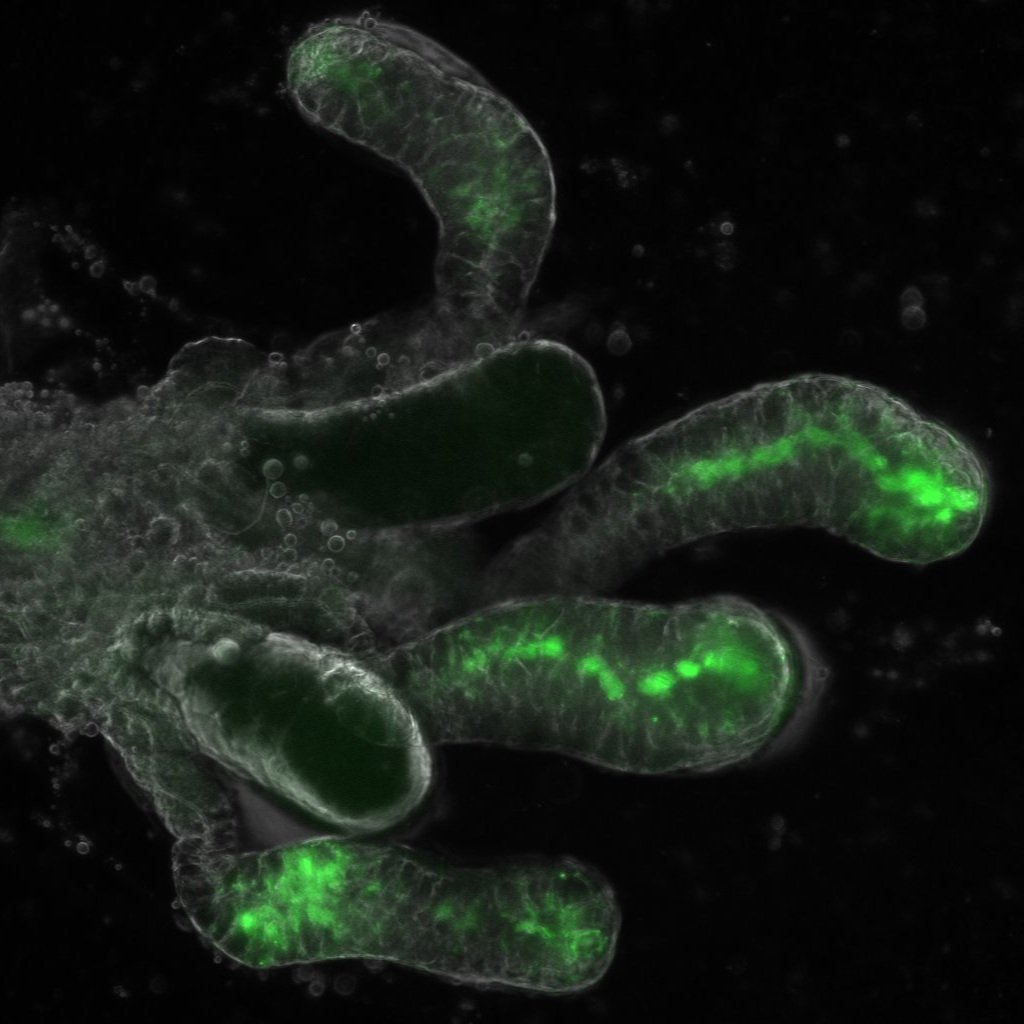
Image of mosquito salivary gland with GFP parasites by Dr. Dora Posfai, Duke University
Parasites infect billions of humans each year and cause several major diseases, largely in underserved populations in developing parts of the world. Malaria, in particular, is a leading cause of deaths worldwide, and its causative agents, Plasmodium parasites, are crafty as they have successfully eluded our defense mechanisms since they first infected us tens of thousands of years ago.
The Derbyshire Lab uses chemical tools and biological methods to uncover novel aspects of malaria parasite biology with the ultimate aim of identifying druggable targets. Projects range from developing assays for phenotypic and target-based screens – forward and reverse chemical genetics – to dissecting biological pathways and identifying small molecules with potential therapeutic value. Our interdisciplinary collaborative program integrates both novel and established methods to address target identification, which is one of the most challenging aspects of malaria drug discovery. Our lab’s goal is to globally interrogate parasite biology by using chemical biology, molecular biology, biochemistry and parasitology.
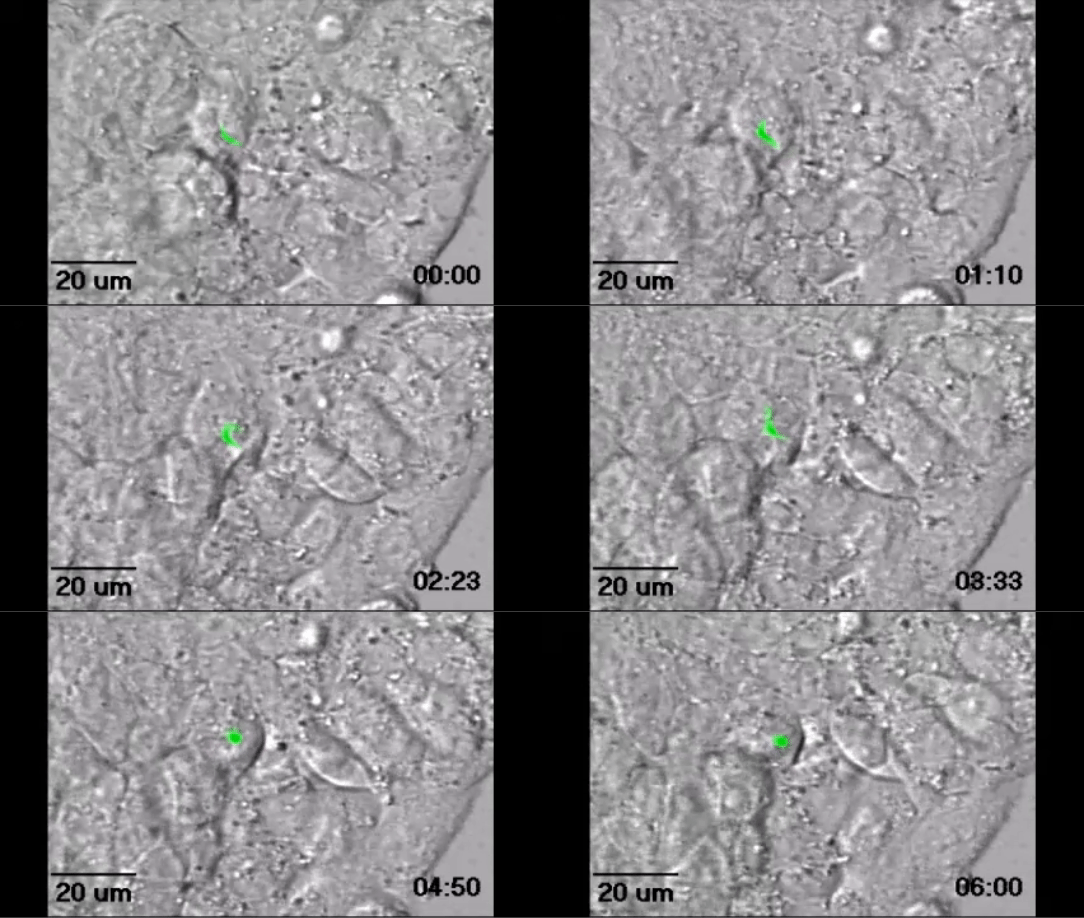
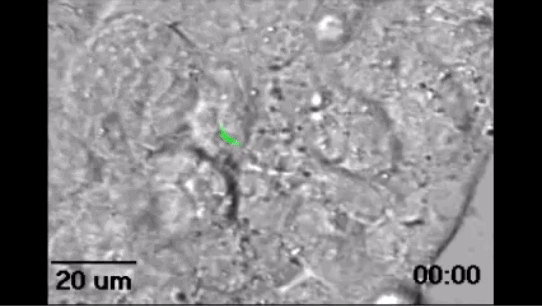

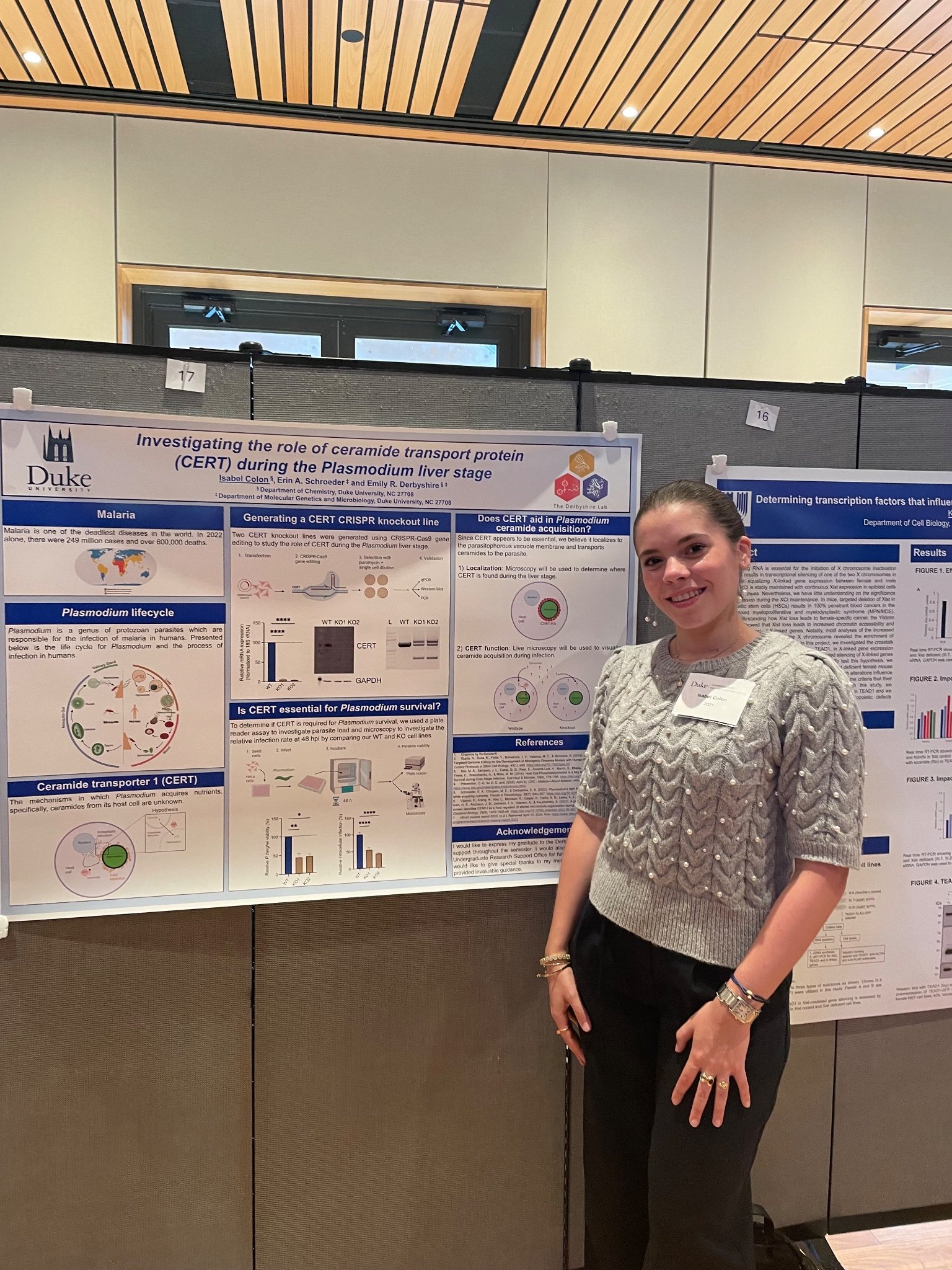
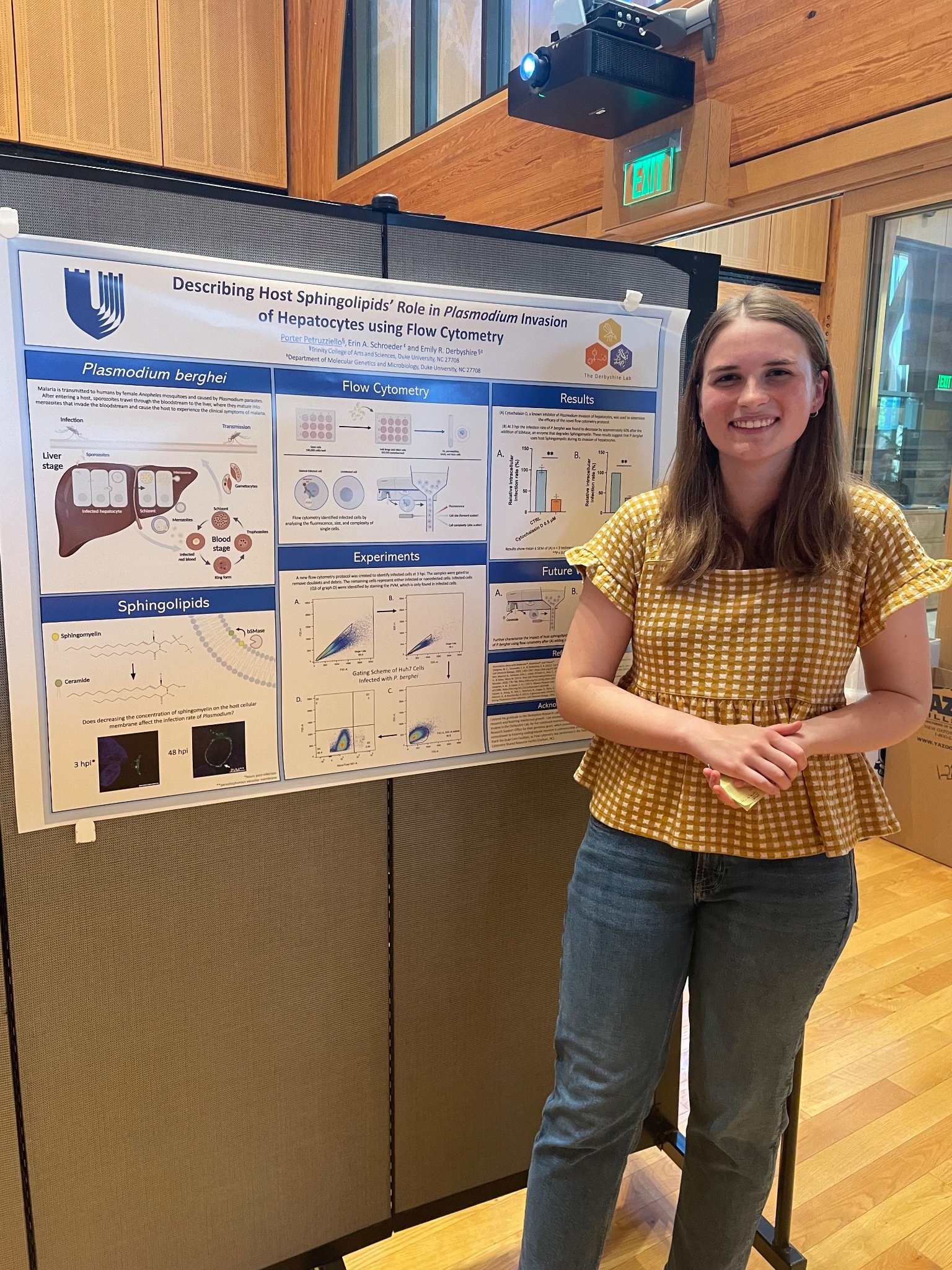
Schroeder, E.A., Colón, I.C., Petruziello, P.E., Derbyshire, E.R.** Host Sphingolipids Support Plasmodium berghei Liver Stage Development. mBio 2025 16, e0167525.

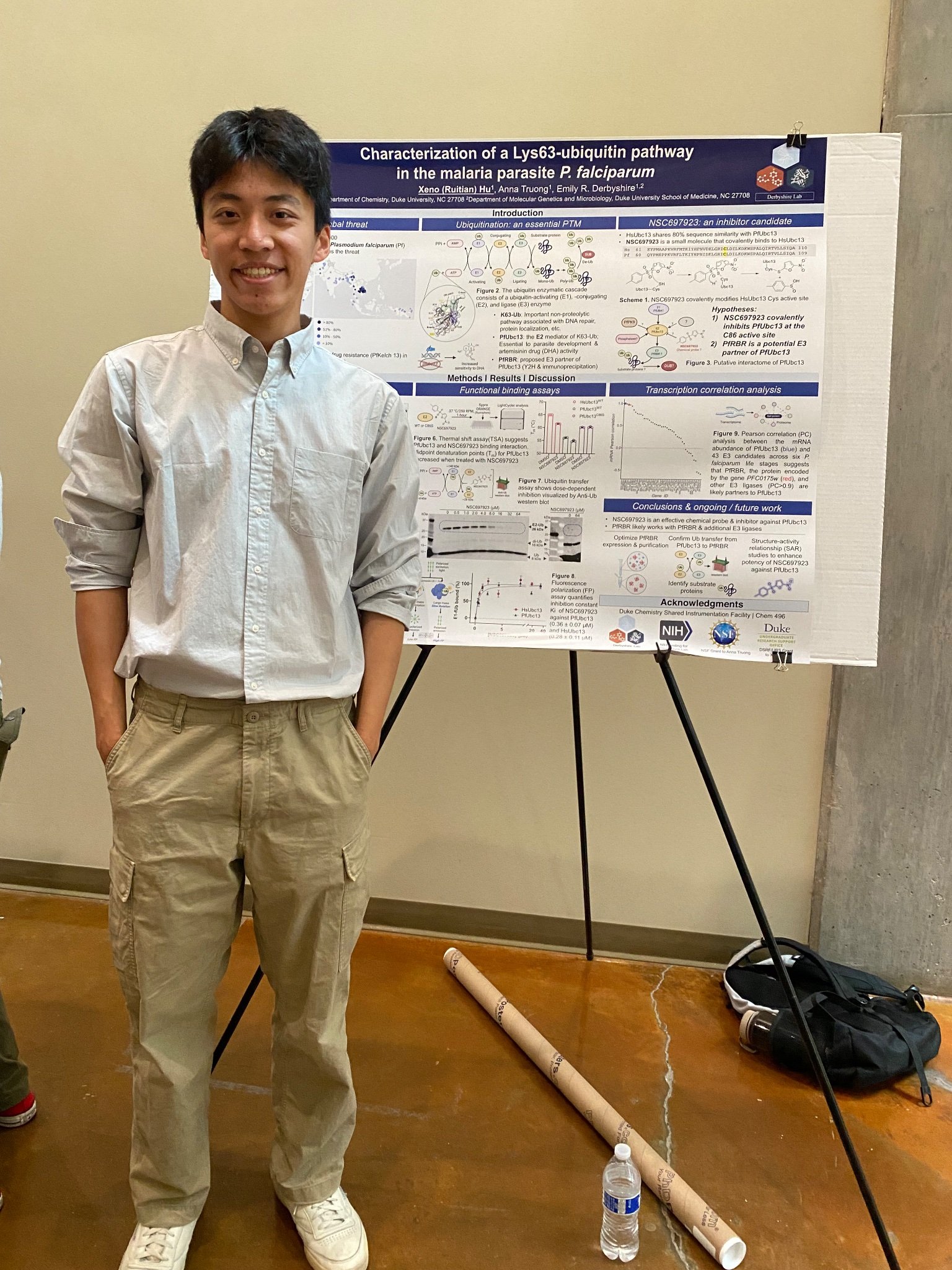
Truong, A., Hu, R., Quan, B., Bailey, M.A., Schroeder, E.A., Sylvester, K., Neveu, G., Kafsack, B.F.C., Fitzgerald, M.C., Derbyshire, E.R.** Covalent Inhibition of Plasmodium falciparum Ubc13 Reveals Translational Control by K63-Ubiquitin. iScience 2025, 28, 112545.
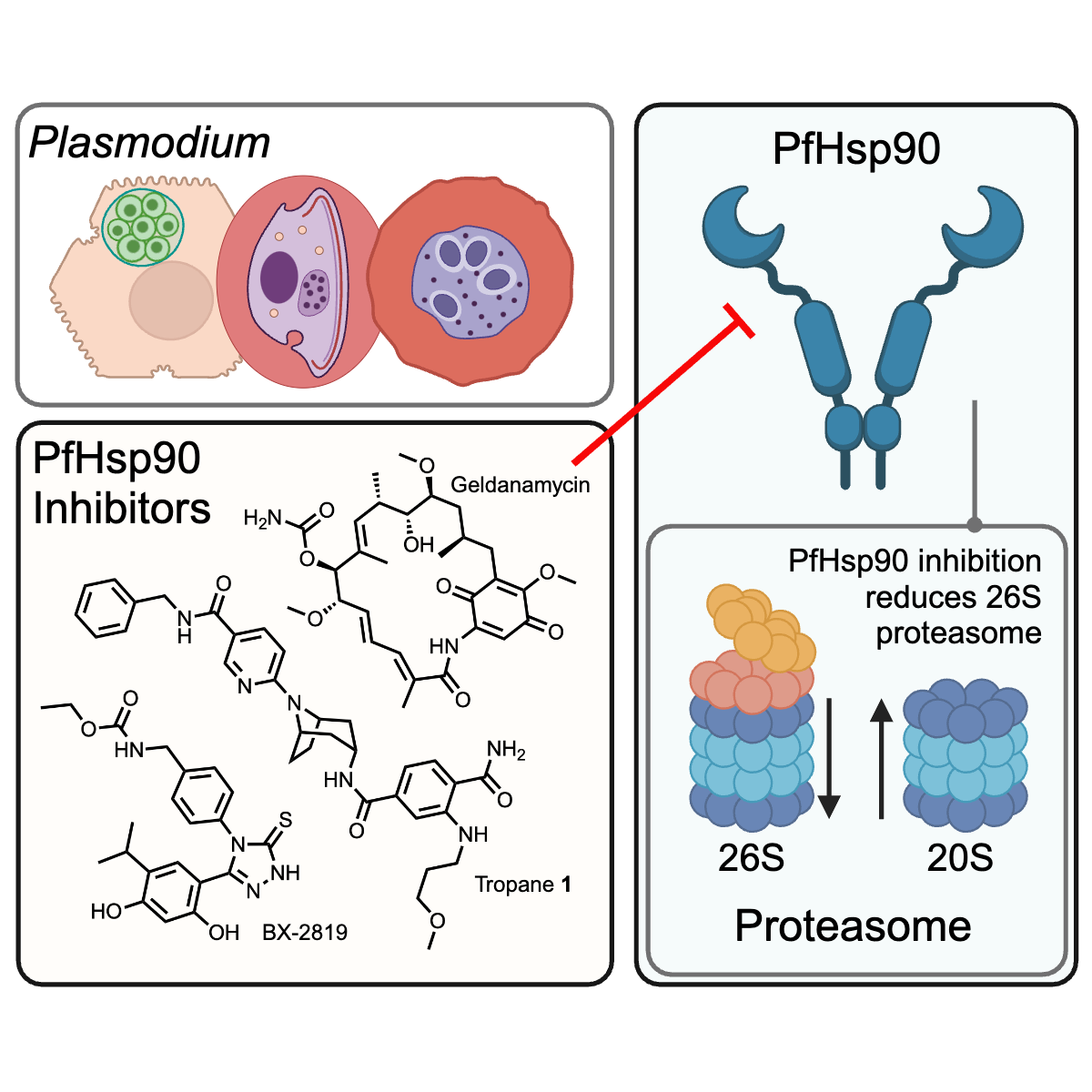
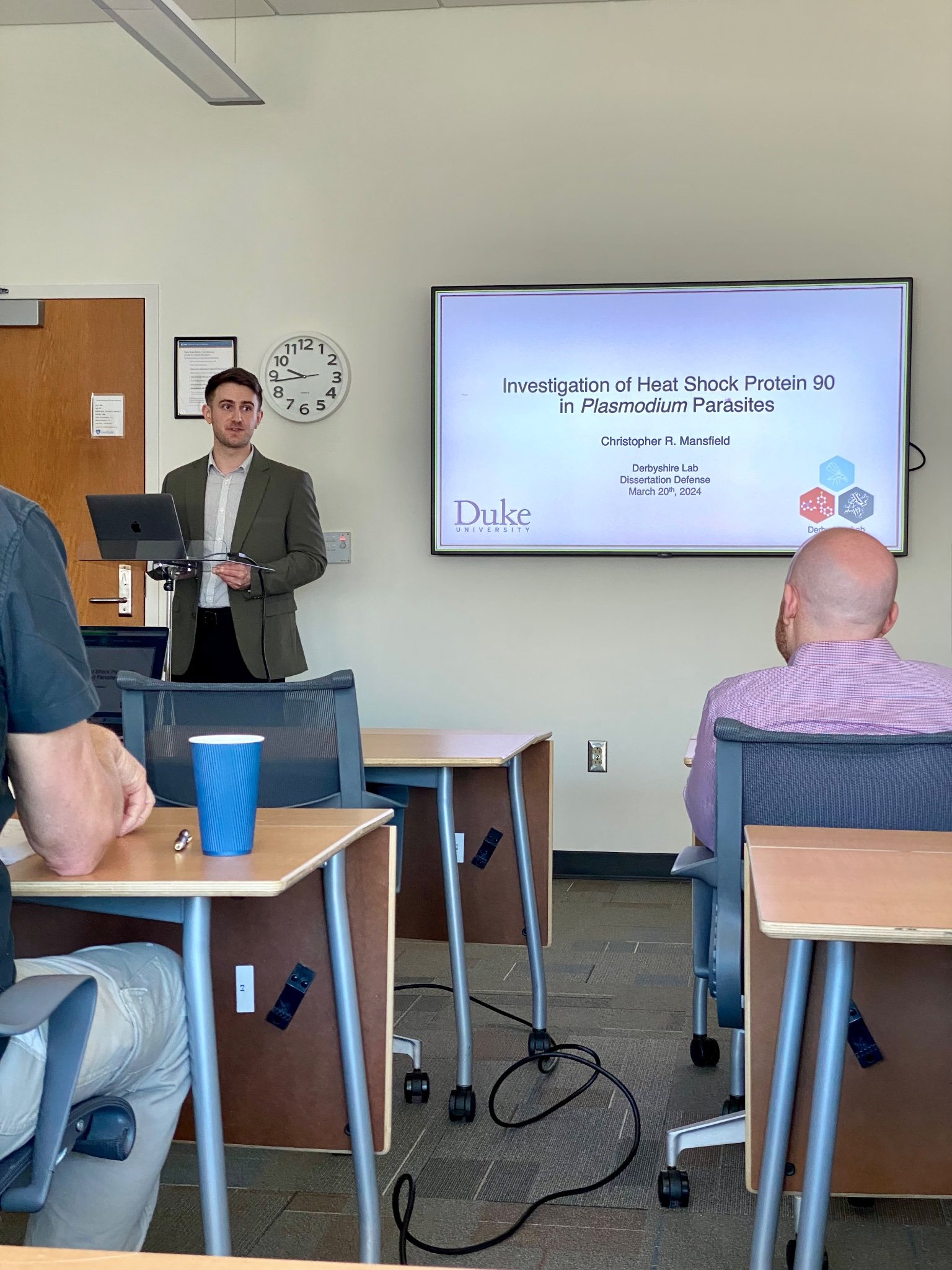
Mansfield, C.R., Quan, B., Chirgwin, M.E., Eduful, B., Hughes, P.F., Neveu, G., Sylvester, K., Ryan, D.H., Kafsack, B.F.C., Haystead, T.A.J., Leahy, J.W., Fitzgerald, M.C., Derbyshire, E.R. Selective Targeting of Plasmodium falciparum Hsp90 Disrupts the 26S Proteasome. Cell Chemical Biology 2024, 31, 729-742.

Ong, H.W., de Silva, C., Avalani, K., Kwarcinski, F., Mansfield, C.R., Chirgwin, M., Truong, A., Derbyshire, E.R.,** Zutshi, R.,** Drewry, D.** Characterization of 2,4-dianilinopyrimidines Against Five P. falciparum Kinases PfARK1, PfARK3, PfNEK3, PfPK9 and PfPKB. ACS Medicinal Chemistry Letters 2023, 14, 1774-1784.

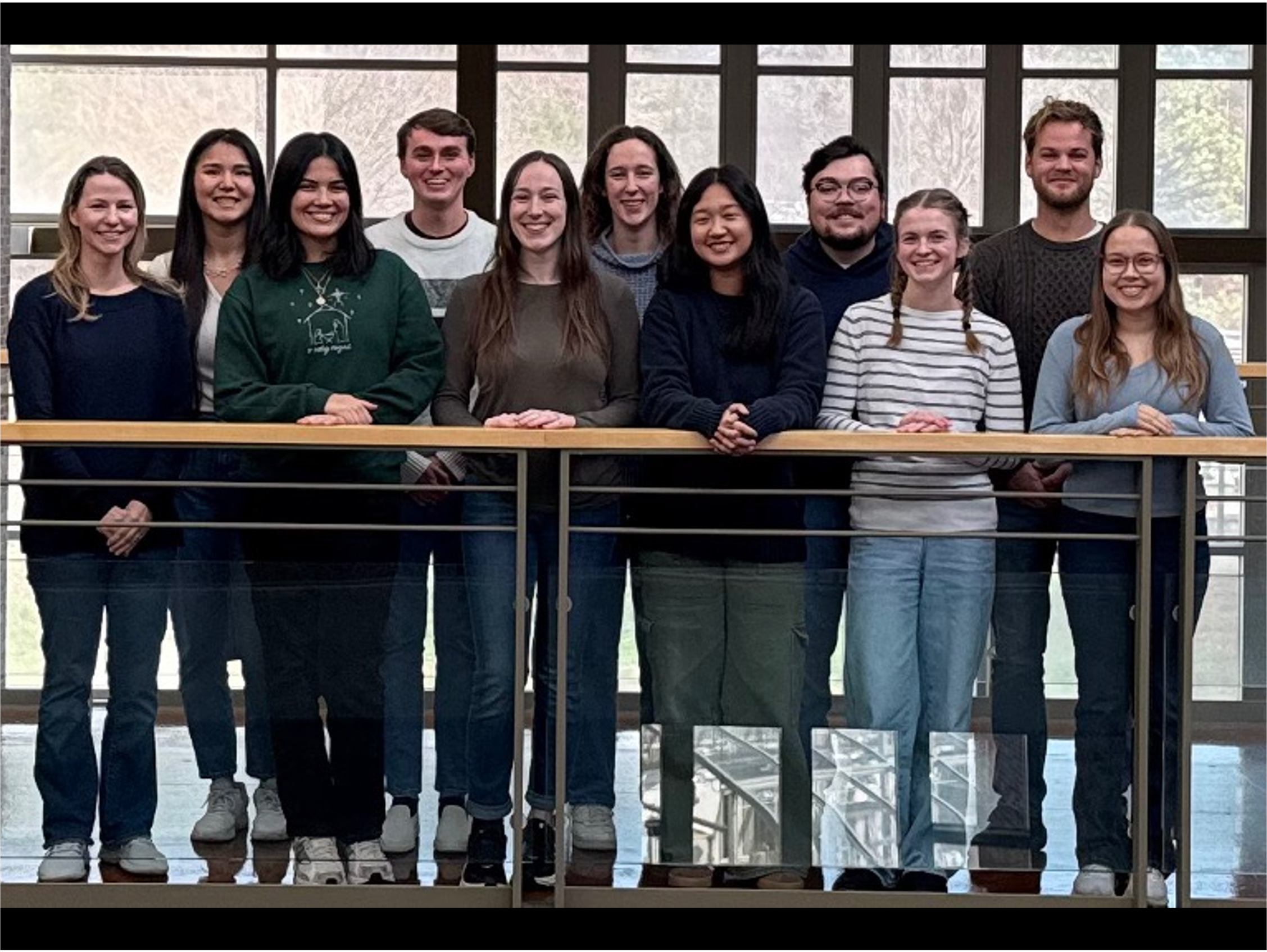
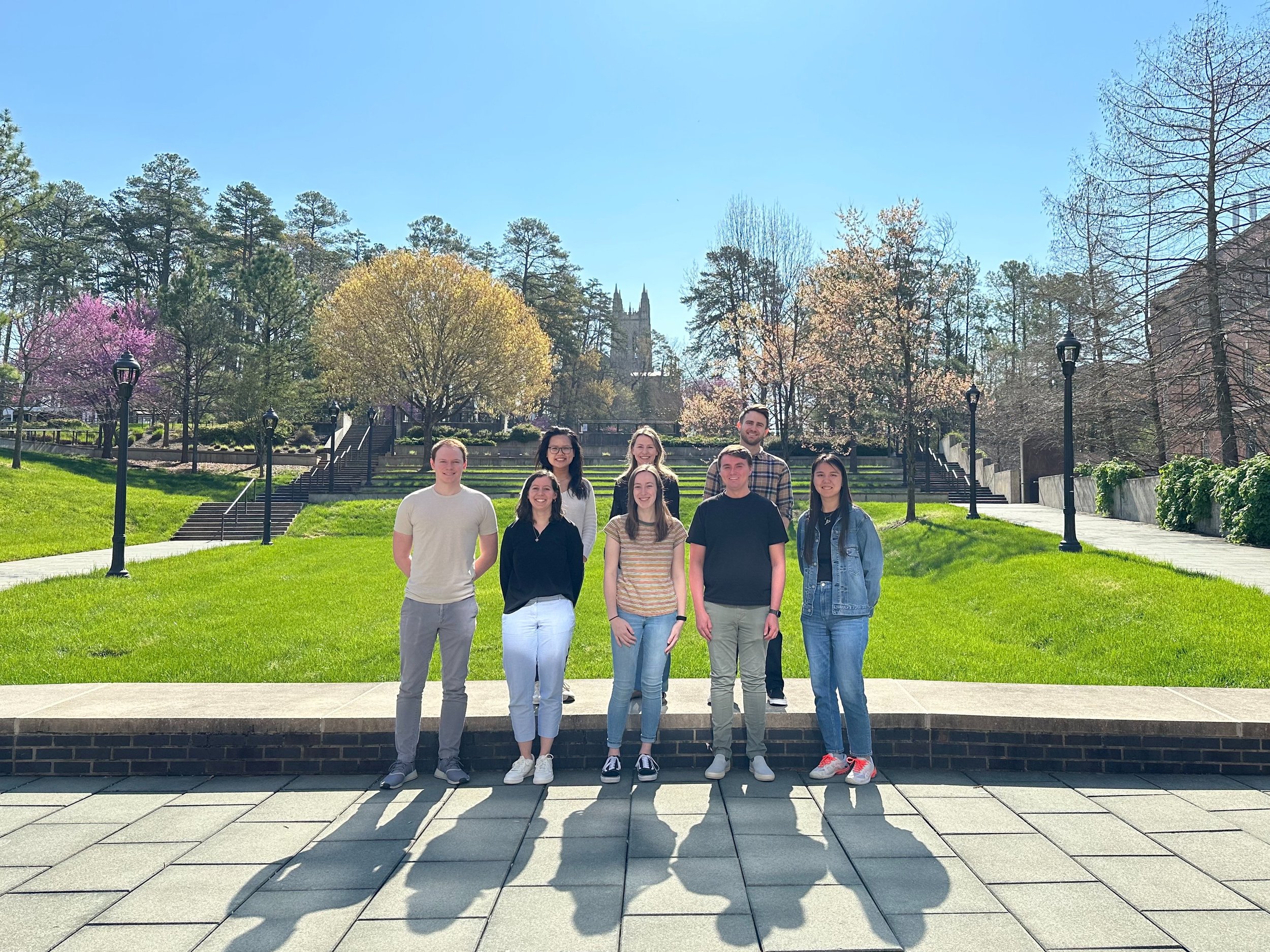
Professor

Graduate Student
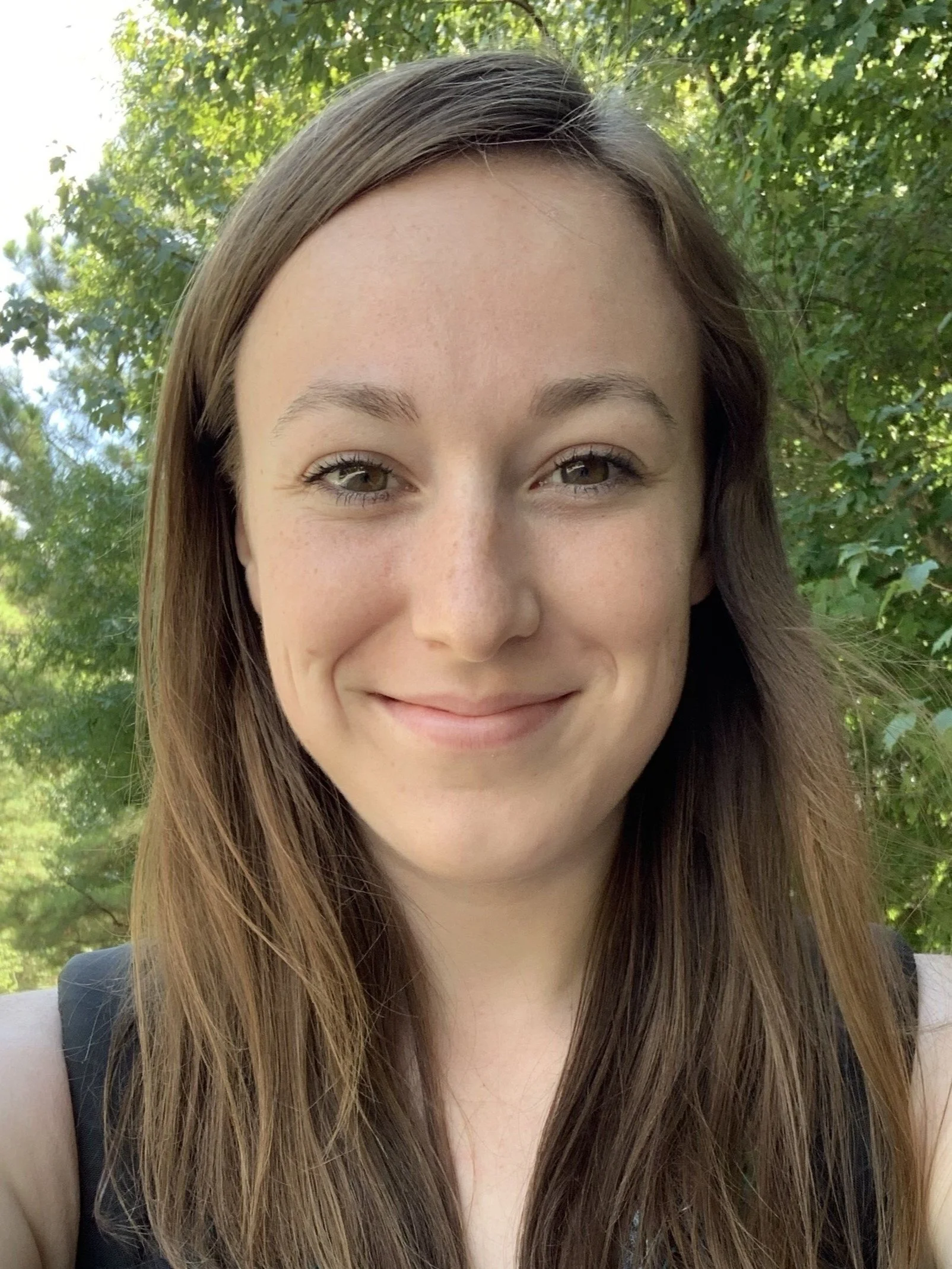
Graduate Student
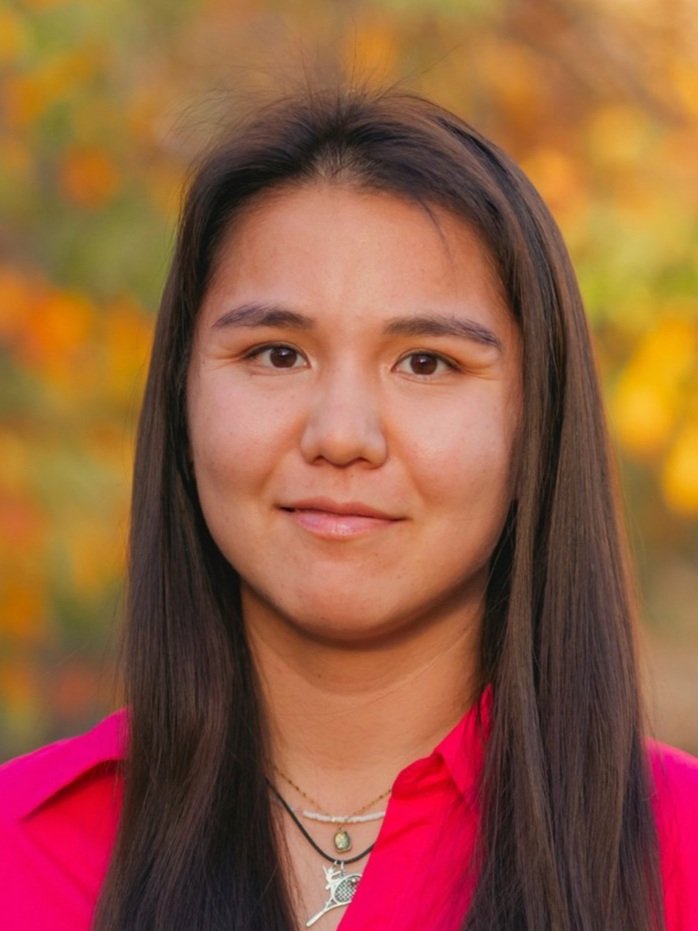
Graduate Student

Graduate Student
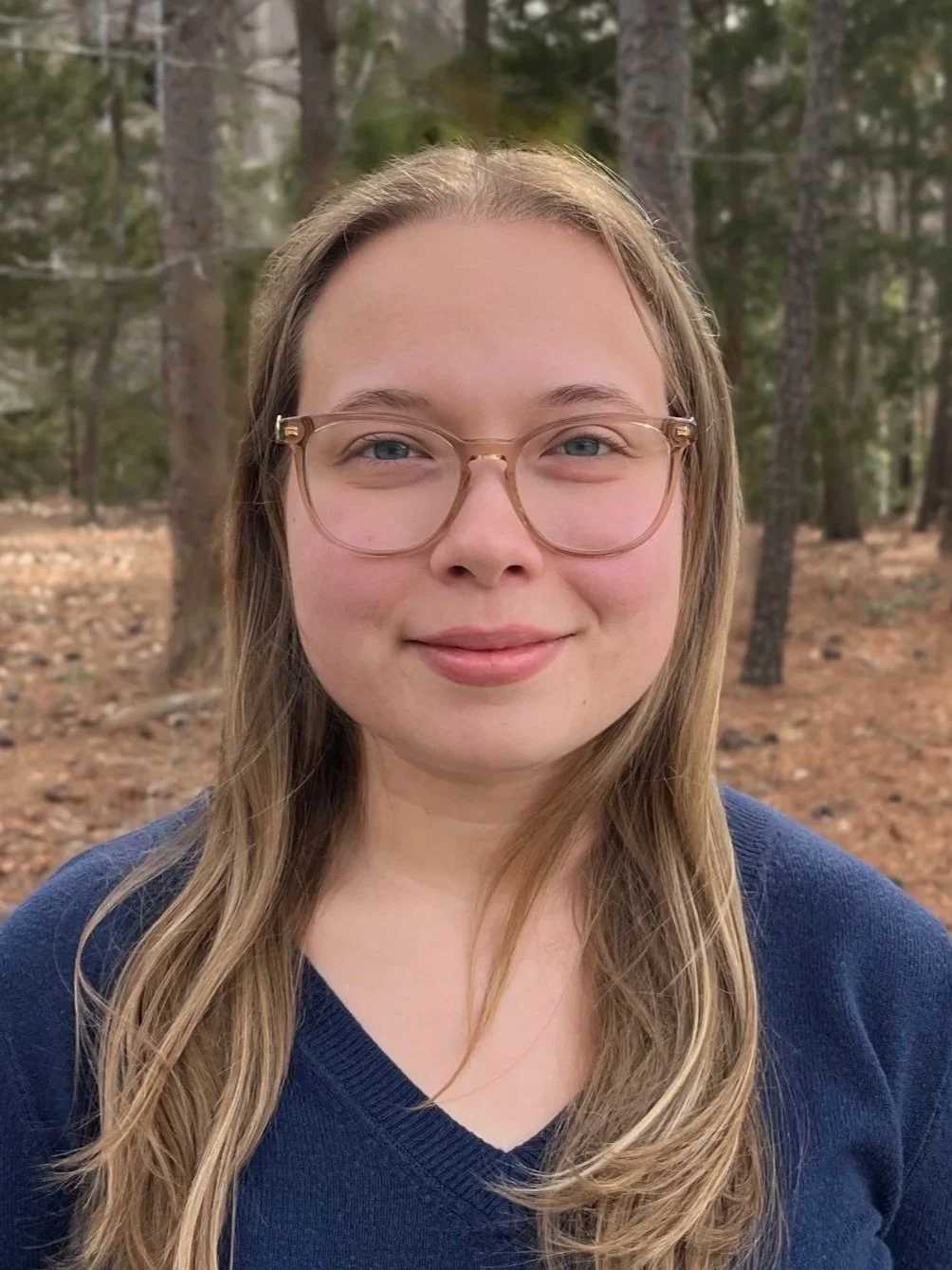
Graduate Student

Undergraduate Student

Undergraduate Student
Congrats to Chelsea Gan and Rylee Lent on receiving a URS award!
Gaini Ibrasheva is selected for the Bradsher Fellowship! Congrats!
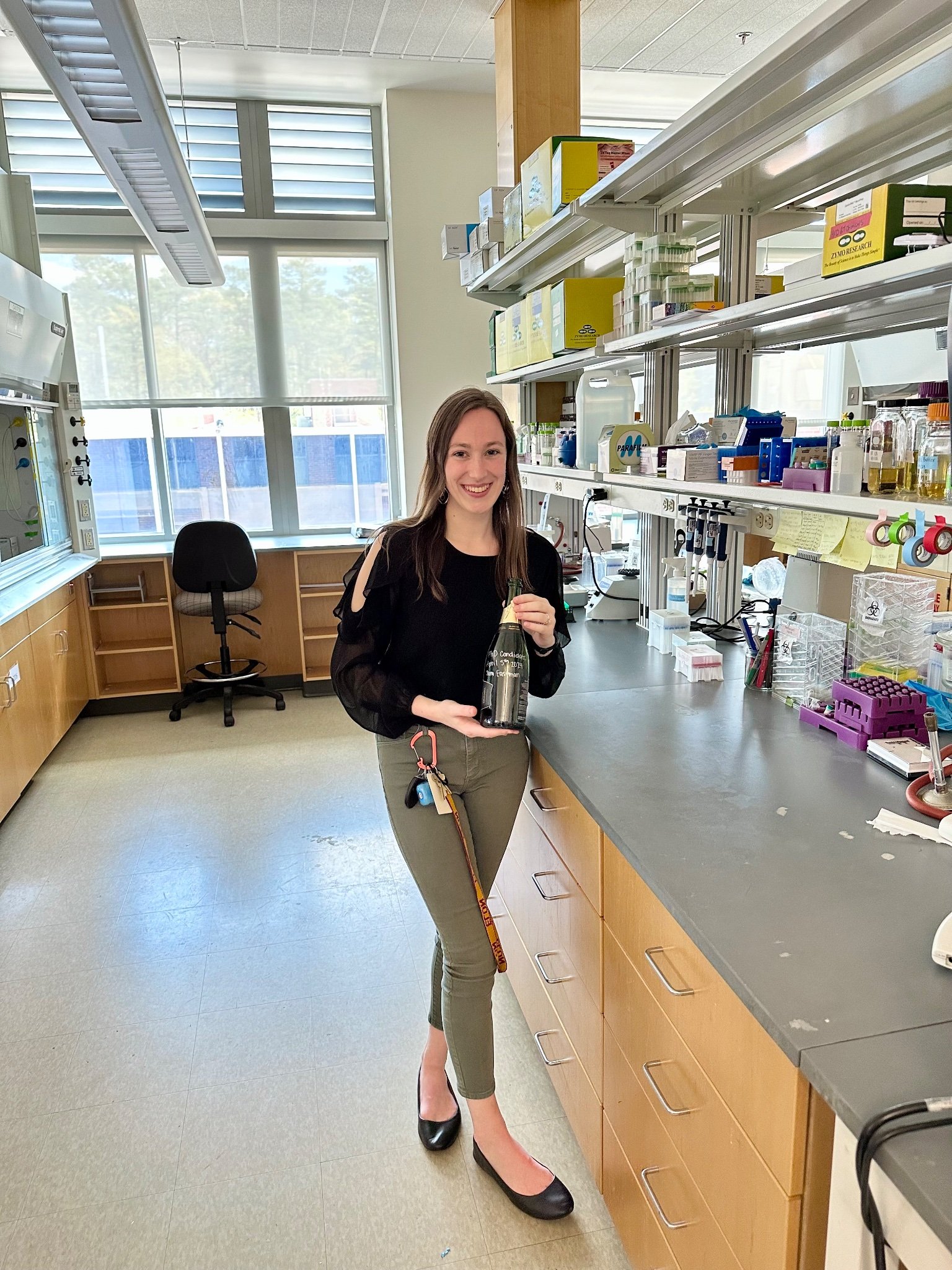
Sam Eastman is selected for the Preparing Future Faculty program! Congrats!
Emily Derbyshire is deeply honored to be named the Pelham Wilder Distinguished Professor of Chemistry!
The lab welcomes Bryce Ownby as an Amgen Fellow undergraduate researcher!
Michael Chirgwin’s paper on host vesicles that support Plasmodium parasite development is accepted to mBio. Congrats!
Dr. Michael Chirgwin is starting his position as a postdoctoral fellow in Prof. Amelia Pinto’s lab at the University of Kentucky. Congrats!
Aaron Keeler’s paper on the discovery of Plasmodium falciparum heat shock protein 70-1 inhibitors is accepted in Antimicrobial Agents and Chemotherapy. Congrats!
Eads Family Professor of Chemistry, Molecular Genetics and Microbiology, and Cell Biology
Duke University
3218 French Family Science Center
124 Science Drive
Durham, NC 27708
Office phone: 919.660.1511
Email: emily.derbyshireATduke.edu
Lab: 5324 French Family Science Center
Lab phone: 919.684.0413

– Prospective postdoctoral fellows please email an application to Emily.
– Prospective graduate students please consider Duke’s graduate programs in Chemistry, Molecular Genetics and Microbiology and Cell and Molecular Biology.
– Prospective undergraduate students should contact Emily.


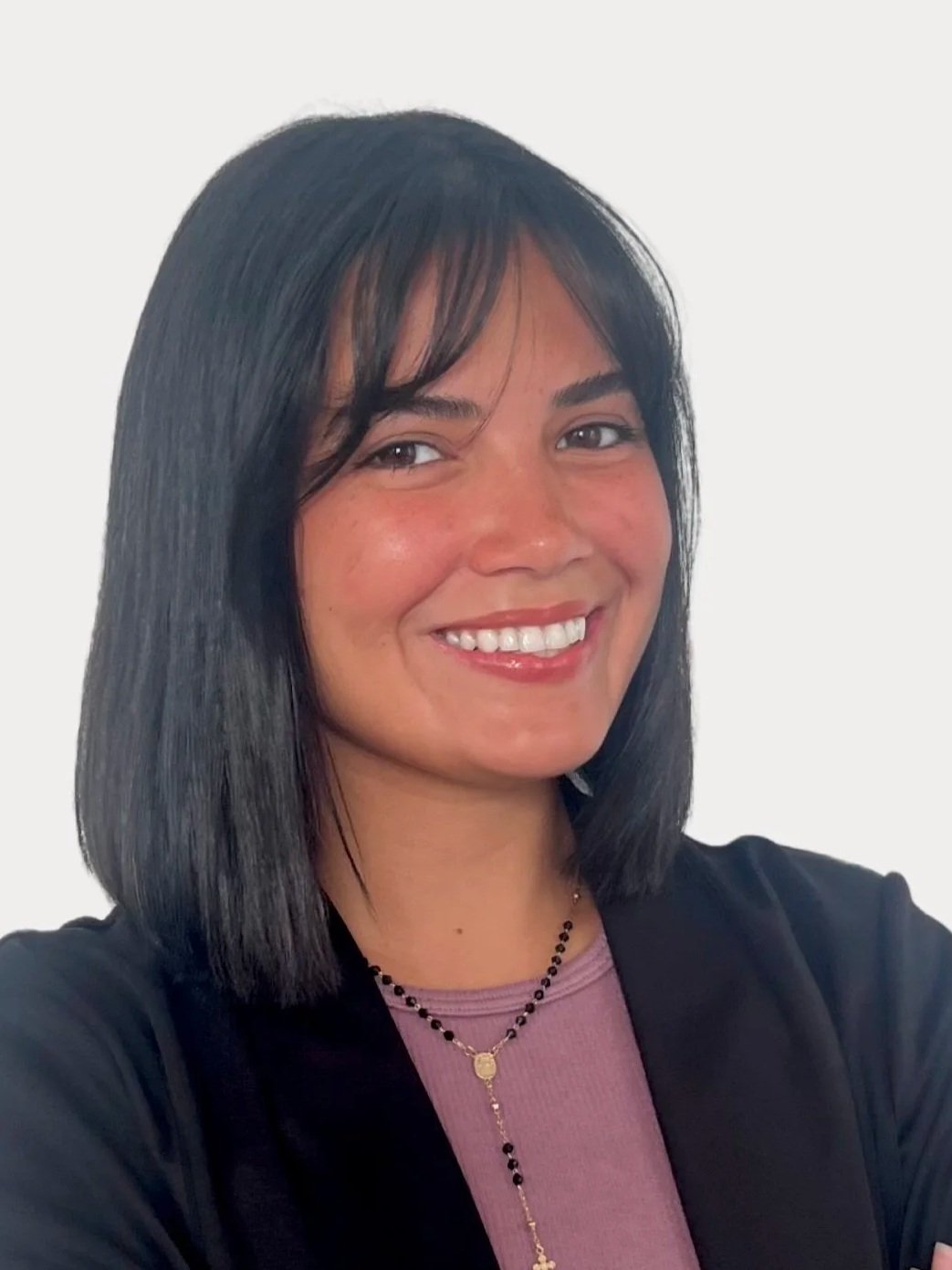


SOCIAL